
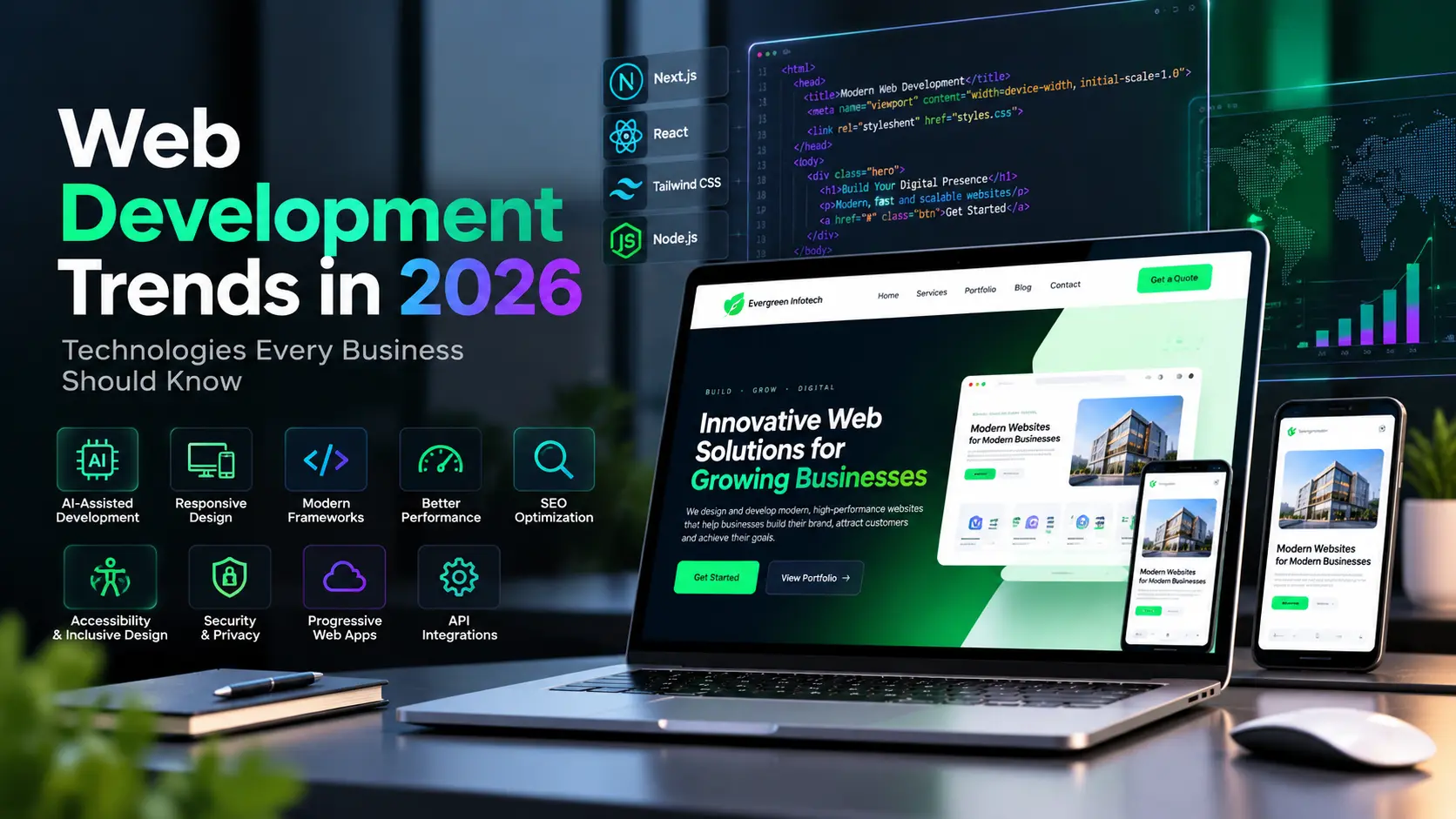
Web Development Trends in 2026: Technologies Every Business Should Know
Introduction Websites have become essential business tools for building credibility, attracting customers, and delivering digital services. As techno...
Introduction
Websites have become essential business tools for building credibility, attracting customers, and delivering digital services. As technology evolves, businesses need websites that are fast, accessible, secure, and easy to use across devices.
In 2026, organizations can benefit from understanding modern web development practices and choosing technologies that align with their business goals, users, and budgets.
1. AI-Assisted Web Development
Artificial intelligence tools can assist developers with code suggestions, testing, documentation, content workflows, and troubleshooting. AI can improve productivity, but developers still need to review generated code for accuracy, security, accessibility, and maintainability.
2. Responsive and Mobile-First Design
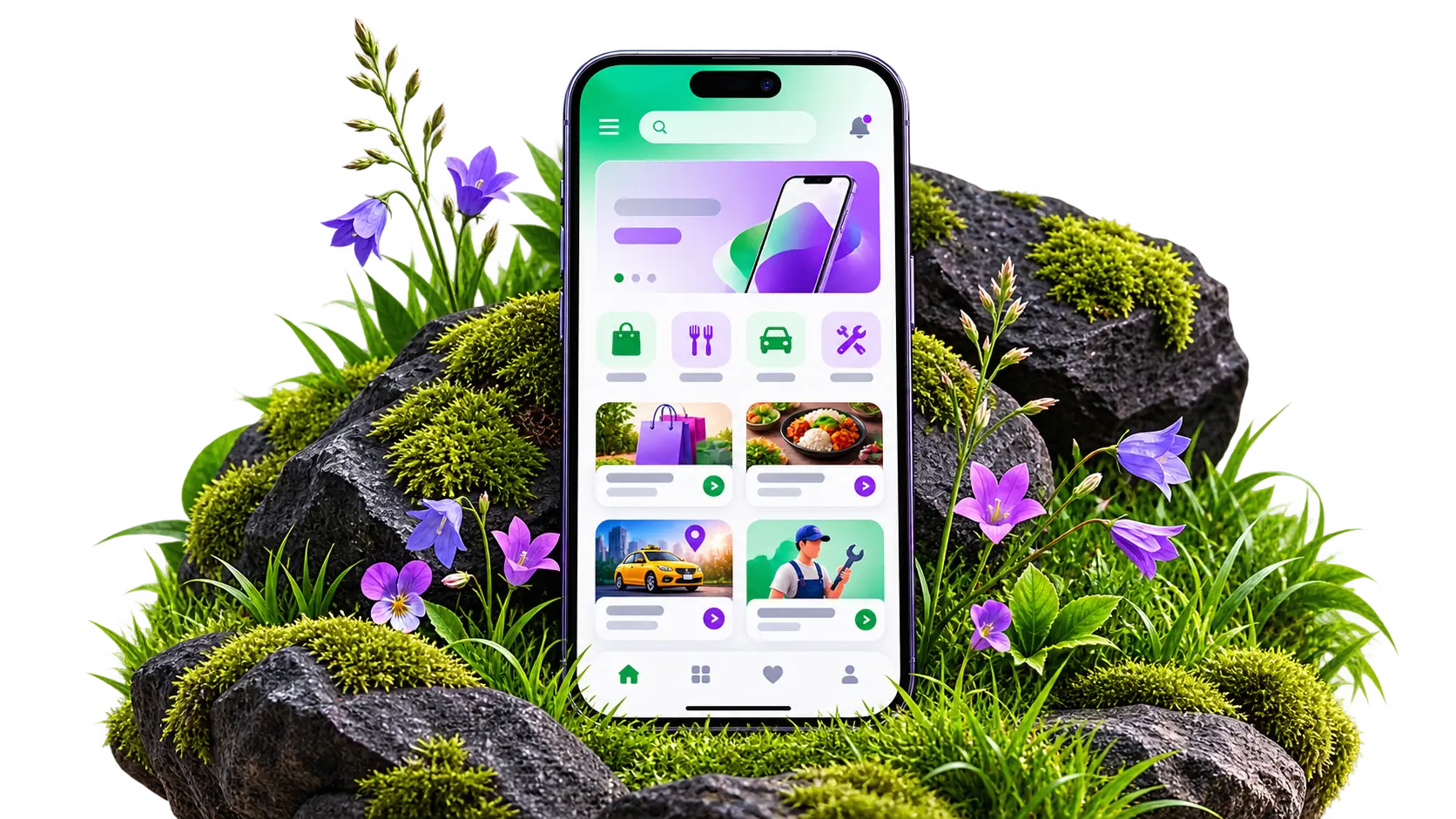
Many users browse websites on smartphones. A mobile-first approach prioritizes readable content, accessible navigation, touch-friendly controls, and layouts that adapt to different screen sizes.
3. Modern Frameworks and Component-Based Development
Frameworks such as React and Next.js support reusable components and structured development. Depending on the project, they can help teams build interactive websites, content-rich platforms, and web applications with maintainable code.
4. Website Speed and Core Web Vitals
Performance affects user experience and can contribute to search visibility. Developers can improve loading speed by optimizing images, reducing unnecessary JavaScript, using caching appropriately, and monitoring Core Web Vitals.
5. Technical SEO and Structured Content
Search-friendly websites need crawlable links, descriptive page titles, useful headings, accurate metadata, canonical URLs, XML sitemaps, and appropriate structured data. Every important page should provide unique value rather than repeating generic content.
6. Accessibility and Inclusive Design
Accessible websites help more people use digital services. Good practices include keyboard navigation, sufficient color contrast, meaningful alternative text, clear form labels, and semantic HTML.
7. Progressive Web Apps and App-Like Experiences
Progressive Web App techniques can provide selected app-like capabilities through web technologies. Depending on browser support and project needs, features may include installability, caching, and selected offline experiences.
8. Security and Privacy
Secure web development includes HTTPS, input validation, access control, dependency updates, secure authentication, and appropriate data handling. Security requirements should be considered throughout development rather than only before launch.
9. Headless CMS and API Integrations
Headless content management systems and APIs can separate content management from the presentation layer. This approach can help businesses deliver content to websites, mobile applications, and other digital channels when the added complexity is justified.
10. Choosing the Right Technology
The best technology depends on the project's requirements, expected traffic, integrations, budget, team expertise, and maintenance needs. Businesses should prioritize measurable outcomes instead of adopting a framework simply because it is popular.
How Evergreen Infotech Helps Businesses
Evergreen Infotech, based in Tamil Nadu, India, provides website design and development, UI/UX design, mobile application development, custom software, and SaaS development services. We help businesses evaluate their requirements and plan digital solutions around their goals.
Conclusion
Modern web development is about more than visual design. Performance, accessibility, security, maintainability, and useful content all contribute to a successful website. Businesses that invest in these fundamentals can create better digital experiences and build a stronger foundation for future growth.